

Last updated September 10, 2026
Full 25-point door and opener safety check with every visit - springs, cables, rollers, tracks, and your LiftMaster or Chamberlain opener included
You get a price before we start. It does not change when the truck arrives.
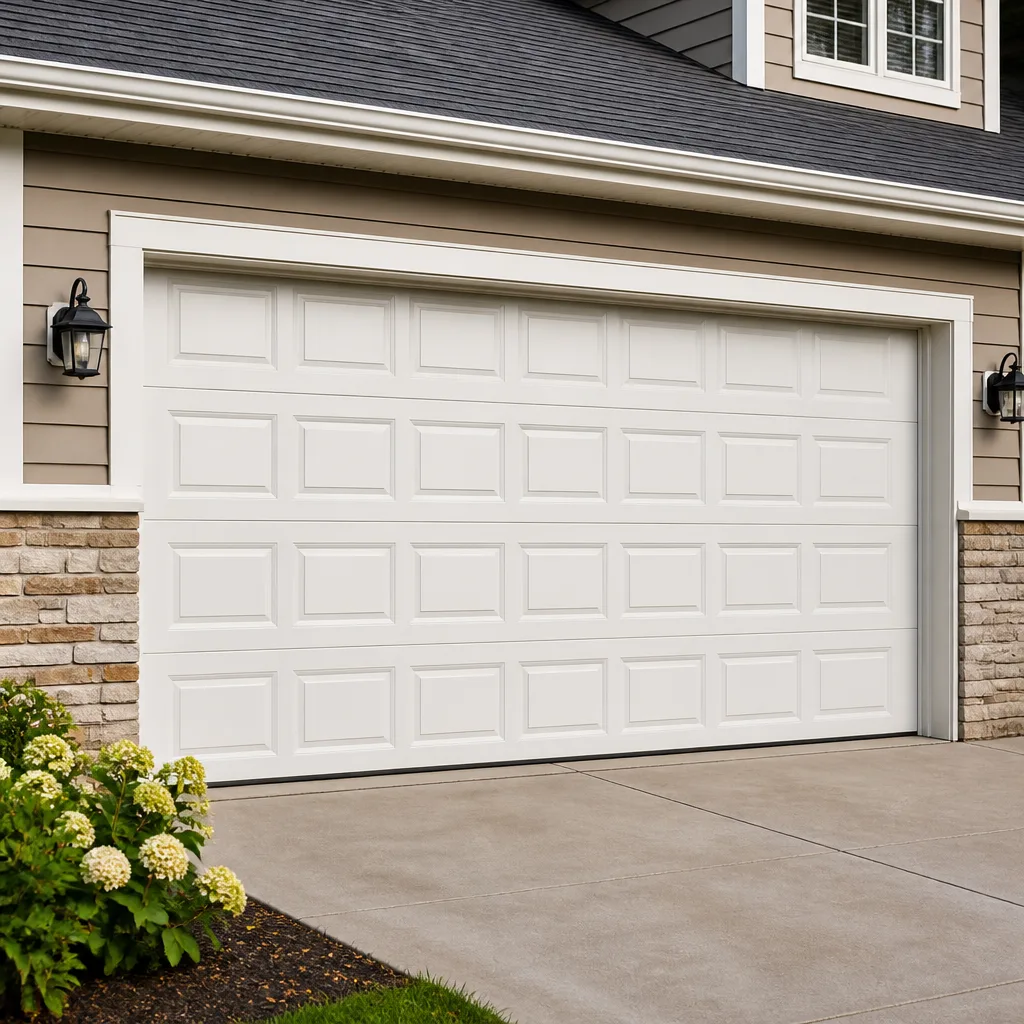

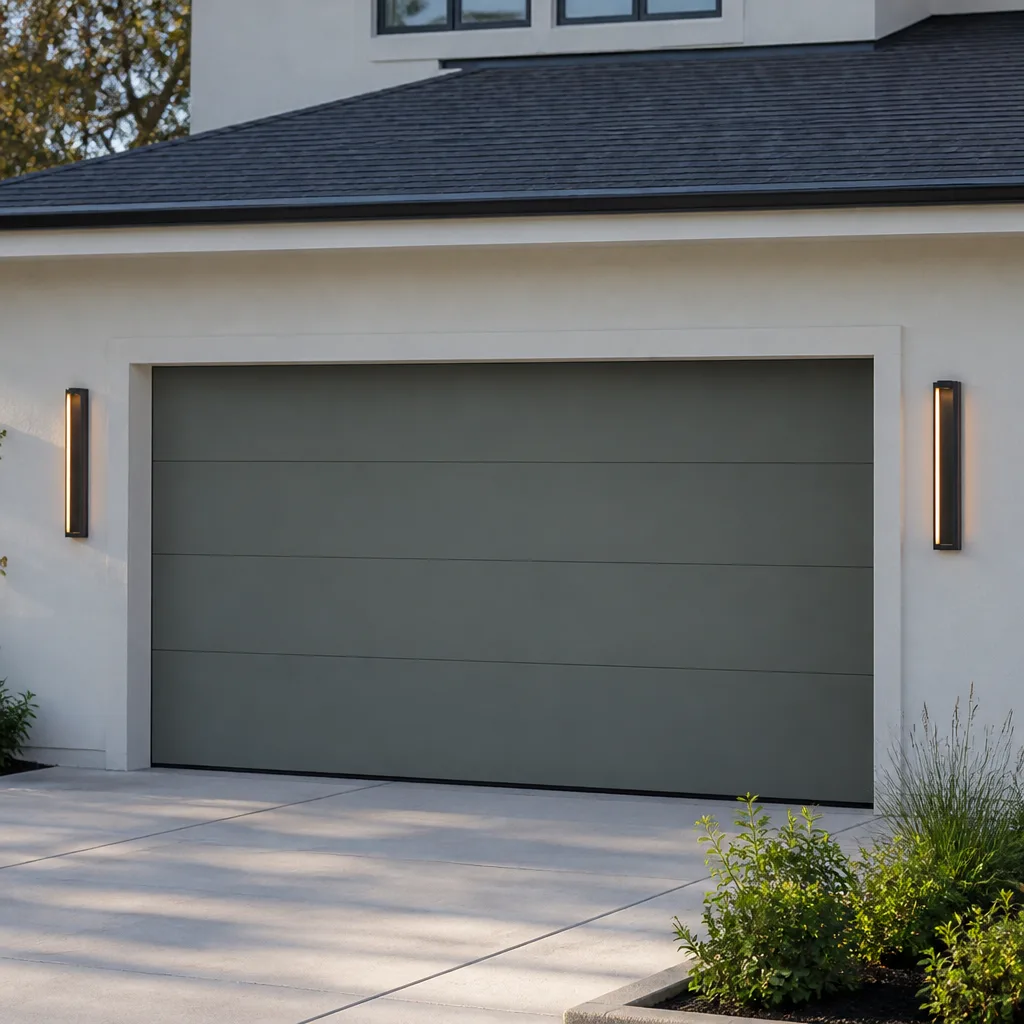
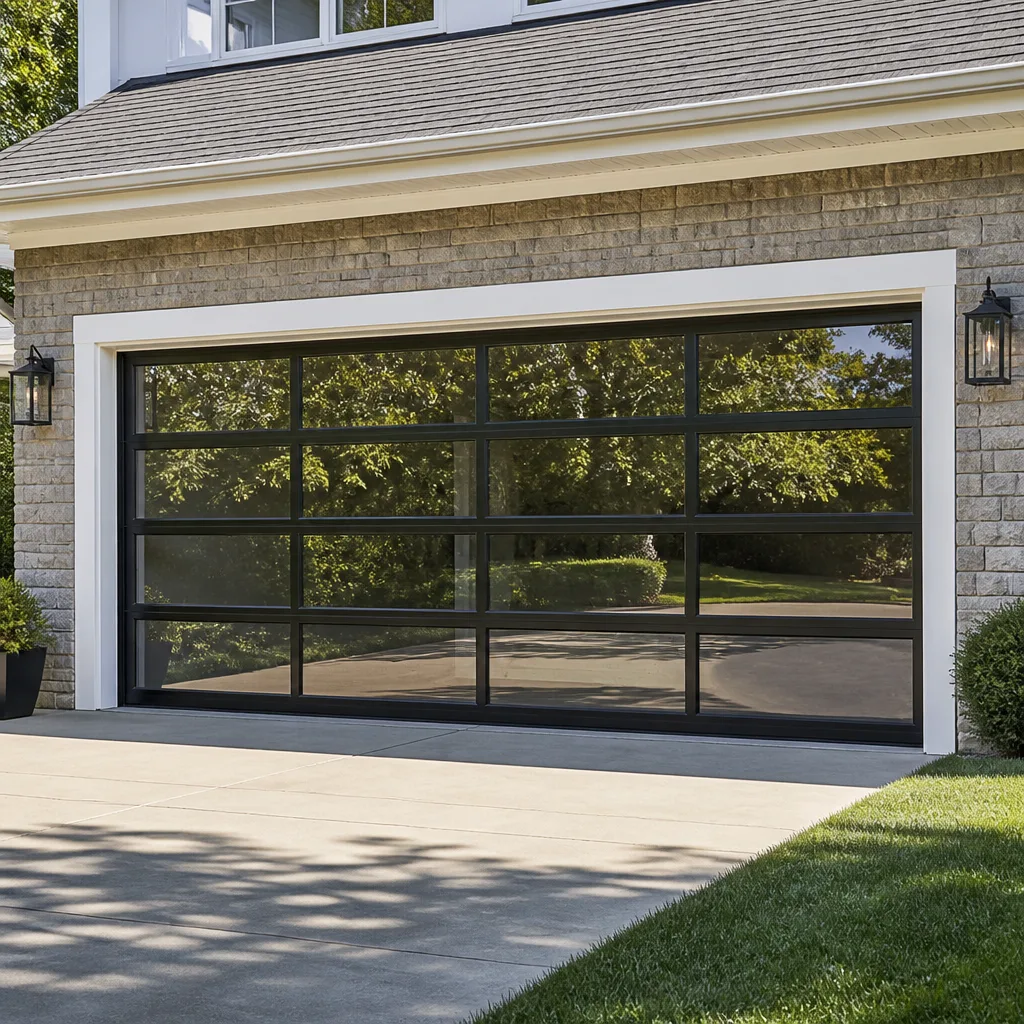
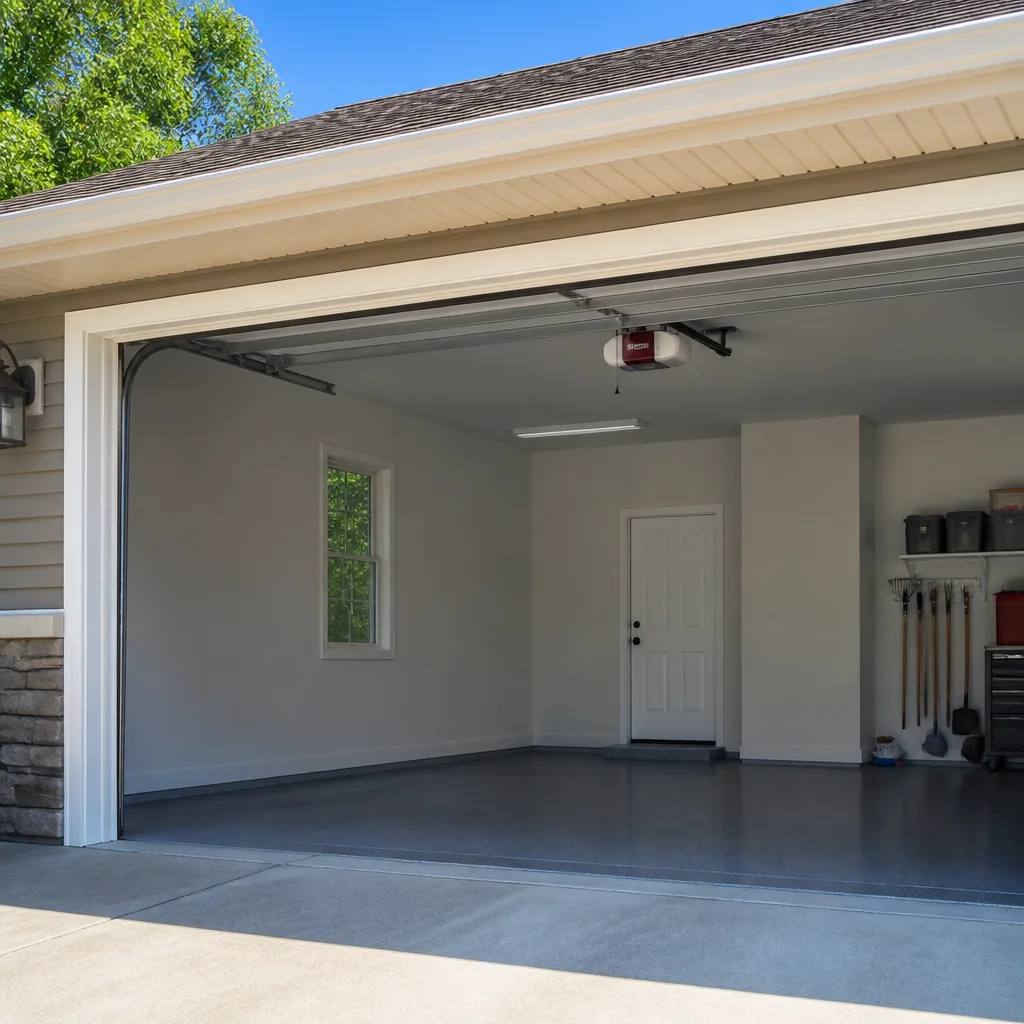
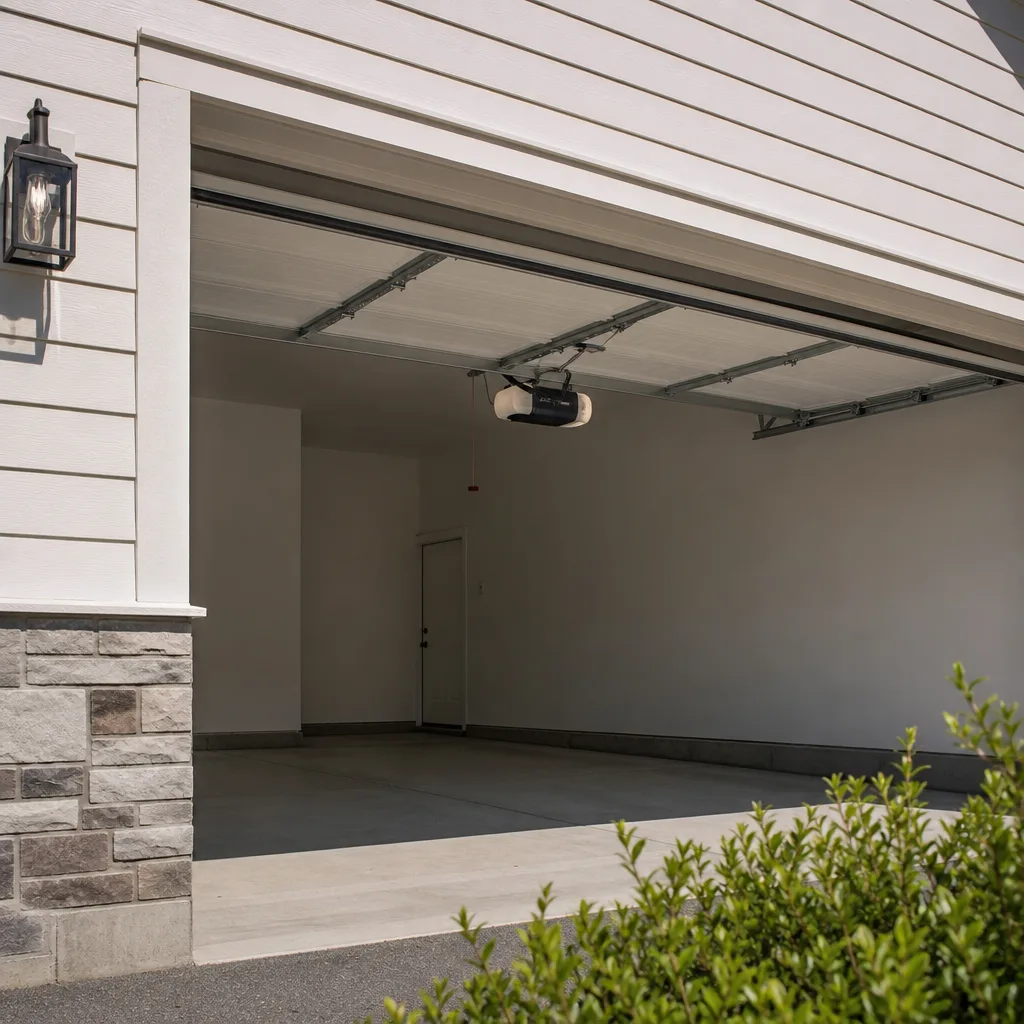
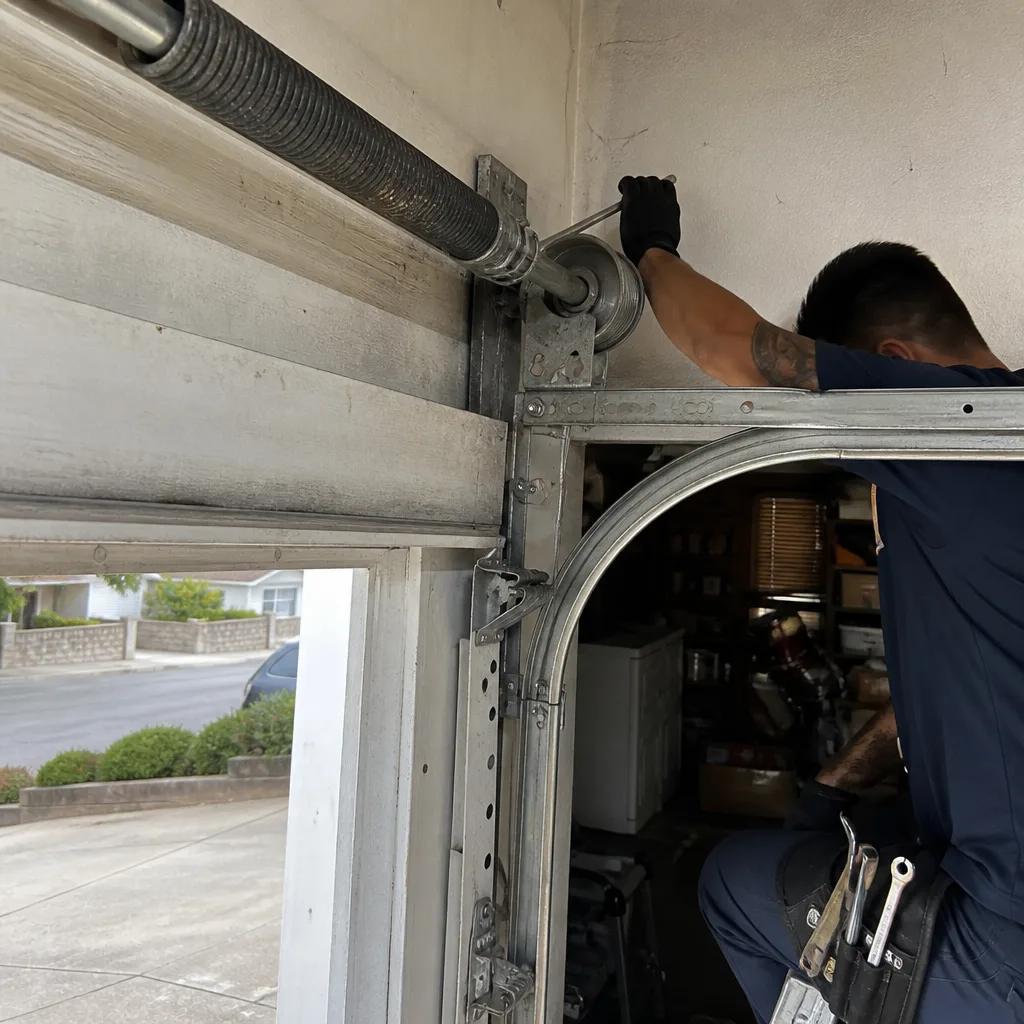 Before
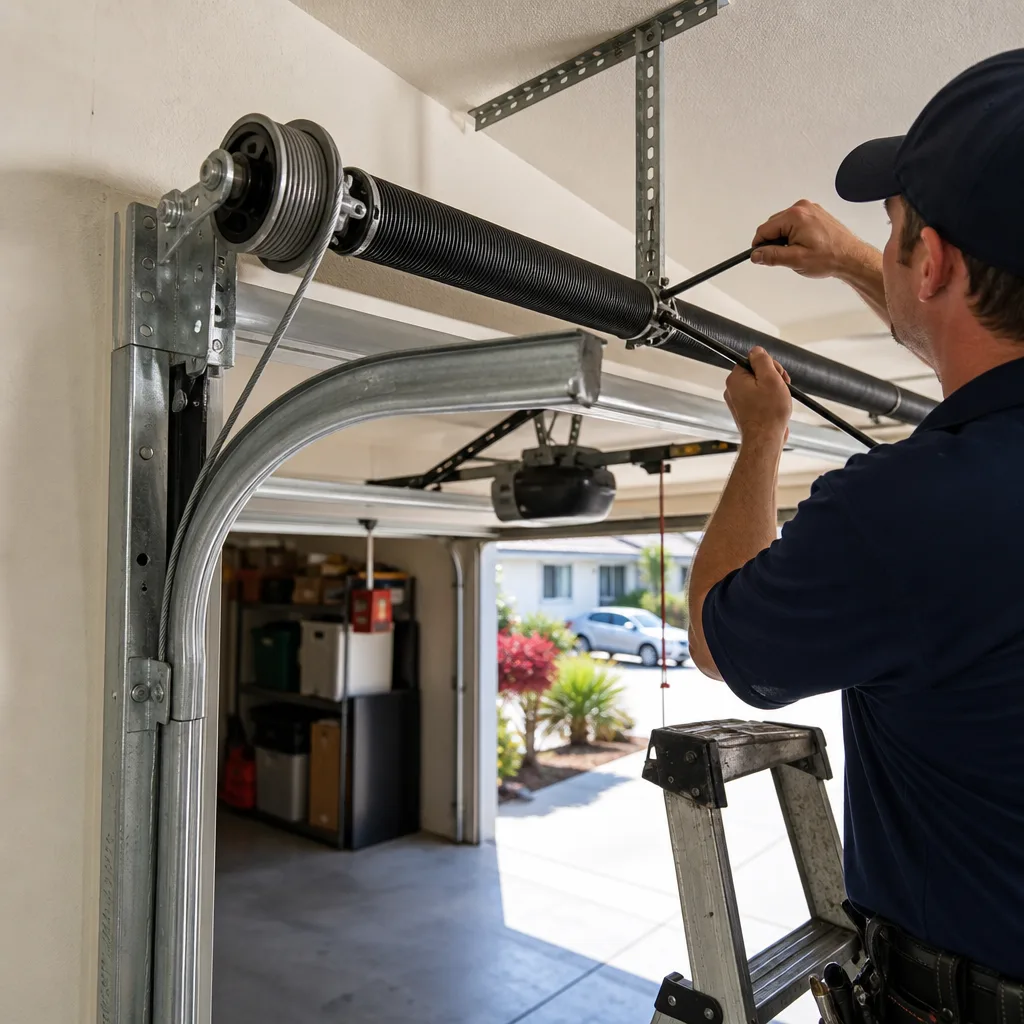 After
After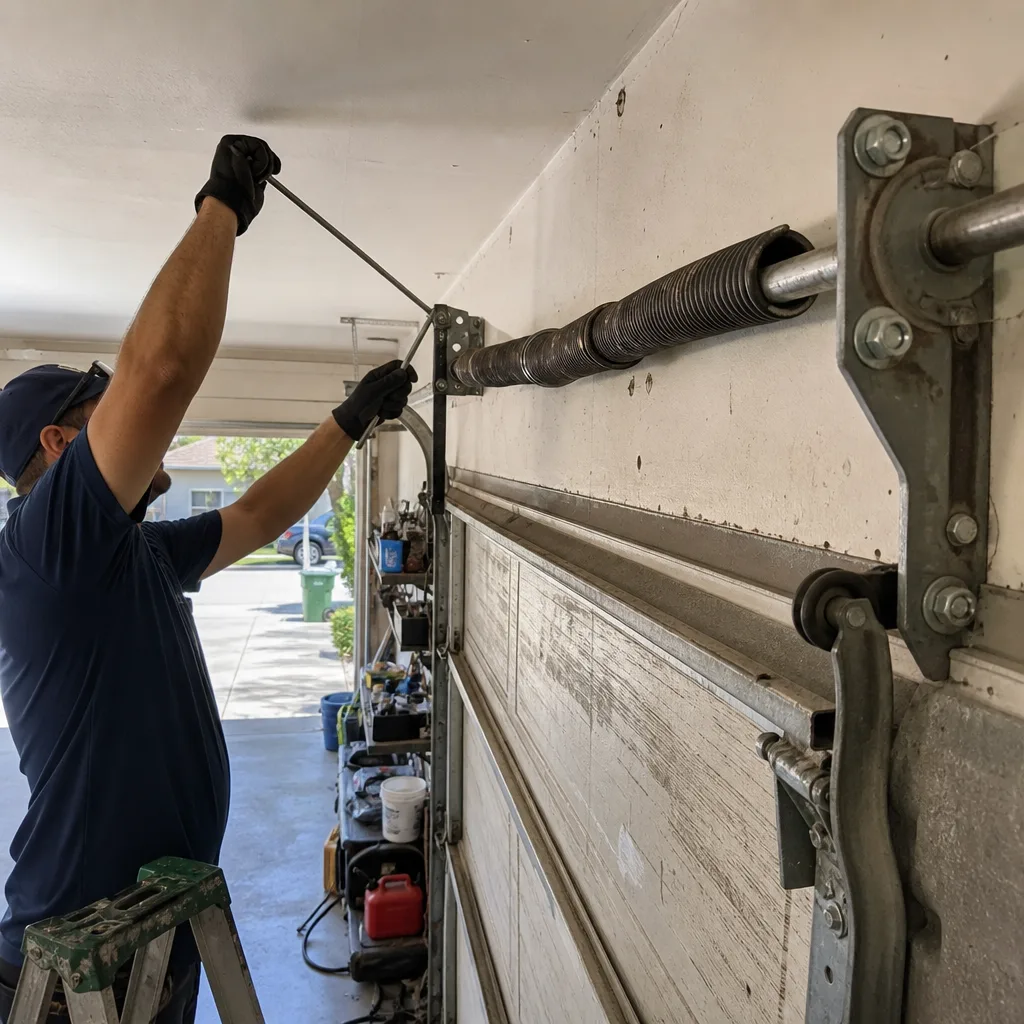 Before
 After
After Before
 After
AfterSeasonal Garage Door Care for La Mesa: Year-Round Homeowner’s Guide
The single busiest week we have every year is the first cold snap in late November. Not because anything dramatic happened. Because homeowners spent October assuming La Mesa doesn’t get cold enough to matter, and then overnight temps drop into the high 30s and grease that was fine at 75 degrees turns to paste at 38. The door that opened smooth as butter in September suddenly groans like a dying mule. Half those calls are just lubricant. The other half are springs that were already tired and finally gave out under the added strain. This guide is what I tell every La Mesa homeowner who asks how to keep their garage door alive longer, and you can find more guides & resources on our blog. We’ll cover what actually happens to your door’s materials through four distinct stress periods, not four seasons, and what to do about each one before it becomes an emergency call at nine at night.
Quick Answer
In La Mesa, garage door care breaks into four stress periods, not four seasons: marine layer condensation in May and June, dry heat expanding the metal in August and September, Santa Ana wind gaps in October, and cold-thickened grease straining tired springs in November and December. The single best thing you can do is lubricate with a synthetic product twice a year and catch spring wear before a cold snap finds it, because that combination, not rain or wind, is what kills most doors in this climate. For a deeper look at local maintenance, see The Complete Guide to Garage Door in La Mesa.
Table of Contents
- The Four Stress Periods La Mesa Actually Has
- Marine Layer Season: What Condensation Does to Your Door
- Late-Summer Heat: The Real Spring Killer Nobody Talks About
- Santa Ana Winds and Weatherseal Gaps
- Winter Cold Snaps: Why Your Lubricant Stops Working
- Post-Rain Checklist for La Mesa Driveways
- A Lubrication Schedule That Actually Works
- Common Mistakes to Avoid
- When to Call a Professional
- Frequently Asked Questions
- The Bottom Line
The Four Stress Periods La Mesa Actually Has
Skip the spring-summer-fall-winter framing. It doesn’t match what your door experiences here. La Mesa sits far enough inland that we get real heat in August, close enough to the coast that marine layer sits on us in June, and dry enough that Santa Ana events in October pull moisture out of wood and rubber like a sponge. Each period stresses a different component.
Here’s what actually strains your door through the year:
- May through June: Marine layer condensation collects inside the drum, on cables, and along the bottom seal. Rust starts where paint has worn thin.
- August through September: Sustained 95-degree-plus days expand the metal track and alter torsion spring tension. Springs that were borderline in July snap in September.
- October: Santa Ana winds dry out rubber weatherseals and wooden frame members. A door that sealed fine at 70 degrees gaps badly when the frame shrinks in 10 percent humidity.
- November through December: Overnight lows in the high 30s thicken standard grease. The opener motor, not the spring, works harder on the first cycle of the morning.
Each of these periods has a set of specific checks that take about fifteen minutes. We’ll walk through them below. If you do nothing else, do the two lubrication passes we outline in the lubrication section, one in April and one in October.
We’ve been running garage door repair calls in La Mesa since 2004, and the pattern on our service log hasn’t changed in twenty years: spring failures cluster in February and September, roller failures in August, and seal replacements in late October. That clustering is the calendar telling you something.
Marine Layer Season: What Condensation Does to Your Door
May and June bring the marine layer, that gray blanket that sits on La Mesa well into the afternoon. Your garage door spends hours each day in cool, damp air, especially if you live on the south-facing side of a canyon where the fog lingers longest. You won’t see the damage right away. It shows up later, in July and August, when rust has had time to eat into the bottom brackets and the cable drums.
The specific damage pattern goes like this:
- Moisture condenses on bare steel parts, particularly the torsion spring, the cable drums, and the bottom roller brackets.
- Each morning’s condensation cycle leaves a fresh film of water. The parts never fully dry before the next evening’s fog rolls in.
- Rust forms first where the galvanized coating has been scratched, typically at the ends of the spring and where the cable wraps around the drum.
- The rust creates friction. Friction creates heat. Heat on a torsion spring is a fast track to metal fatigue and failure.
What you can do in May and June is simple. First, open the door fully in the morning and run a dry cloth over the spring and cable drums. If you see rust, that’s a warning sign, not a cosmetic issue. Second, check the bottom seal. The marine layer saturates the bottom rubber seal on a day when the door is closed, then the afternoon sun bakes it dry. That daily wet-dry cycle is what causes hairline cracks in seals made by older Clopay and Wayne Dalton doors from the early 2000s. We replace a lot of bottom seals in this stretch because the homeowner didn’t notice the cracking until the seal split through.
One more thing for marine layer months: listen. A door that squeaks in June but not in July is telling you the condensation is already doing its job on the hinges. That squeak is rust forming. Lubricate it now, don’t wait.
If you’re considering a new door installation in La Mesa, this is the season to think hard about a door with rust-resistant hardware. Amarr and Clopay both make models with powder-coated tracks and stainless hinges that handle our marine layer far better than the economy galvanized hardware on a builder-grade door.
Late-Summer Heat: The Real Spring Killer Nobody Talks About
August and September are when La Mesa earns its East County stripes. We regularly see stretches of 95 to 105 degrees, and that heat does two things to your door. It expands the metal track enough to change the geometry of the door’s travel, and it reduces the effective tension on torsion springs that were already nearing the end of their rated life.
Here’s what that means in plain terms. A torsion spring is a coil of hardened steel. Every time your door cycles, that spring winds and unwinds. Every cycle adds microscopic fatigue to the metal. It’s rated for a certain number of cycles, usually 10,000 on a standard spring, and the clock is always running. Heat doesn’t create the fatigue. It does something sneakier. The thermal expansion of the spring steel slightly reduces its effective tension, which means the opener motor has to work harder on every cycle. That added strain isn’t what kills the spring. What kills it is the day you come home at 5 p.m., the door has been sitting in a 105-degree garage all afternoon, and the spring finally lets go.
What to watch for in August and September:
- A door that’s heavier to lift manually. Disconnect the opener and lift the door by hand. It should move with moderate effort and stay put at the halfway point. If it wants to drop, the spring is losing tension.
- A door that reverses unexpectedly. Your opener’s safety settings are calibrated for a specific door weight. When the spring weakens, the door’s weight changes and the opener’s force settings no longer match. Occasional reversal means something changed.
- A visible gap in the spring coil. Look at the torsion spring above the door. A healthy spring has no gap between coils. A gap means the metal has begun to separate and fail.
- Any snapping sound when the door moves. That’s not the door settling. That’s a coil letting go a fraction of a second before the rest of the spring follows.
In our experience, September is the second-busiest month for spring failures in La Mesa, right after February. The heat is the trigger, but the powder was dry long before. That’s why I count spring cycles the way you count tire miles. We can look at a spring, check its wire size and the number of turns it’s carrying, and tell you roughly what’s left on it. If it’s near the end, replacing it in August, on your schedule, beats replacing it any day it chooses in September.
Santa Ana Winds and Weatherseal Gaps
October in La Mesa brings Santa Ana events, those dry offshore winds that drop the humidity into the single digits and turn the air electric. Your door notices, even if you don’t. Wood frame members lose moisture and shrink. Rubber weatherseals lose their flexibility and pull away from the jamb. A door that sealed tight at 70 degrees will show a gap the width of a pencil in dry 100-degree wind, and that gap does more than let dust in. It lets conditioned air out on the few days you’re running the AC, and it gives rodents and bugs a clear path into a garage that stays warm at night.
Here’s how to check your weatherseal during Santa Ana season:
- Close the door at night and turn on the garage light from the inside.
- Walk the perimeter in the dark. Any place you see light showing through is a gap.
- Check the bottom seal specifically. The Santa Ana wind drives dust and leaves under the door. If the bottom seal is cracked or worn flat, you’ll see a gap under one edge.
- Check the side jambs. Wood jambs that shrank in the dry air will pull the weatherstripping with them. Push gently against the seal. If it moves more than a quarter inch, it needs attention.
Most side and top seal replacement is a simple fix. The material is flexible vinyl with a press-fit edge that slides into a channel on the jamb. But if the jamb itself has pulled away from the wall, that’s a structural issue, not a seal issue, and you want to address it before the wet season starts. A jamb that’s loose in October leaks in every rain, and La Mesa rain comes in a few big events, not a gentle drizzle spread over months.
Amarr and Wayne Dalton both make replacement weatherseal kits that hold up better in our dry-air cycles than the original equipment on most older doors. We keep them on the truck because this is the fourth quarter of our seal calendar. Every October we ship more seal kits than the rest of the year combined.
Winter Cold Snaps: Why Your Lubricant Stops Working
The first week of December, overnight lows in La Mesa dip into the high 30s. Not freezing. Cold enough. Cold enough that the petroleum-based grease everyone used for years turns thick and sticky. The door that opened fine at 8 p.m. struggles at 7 a.m. because the lubricant that was thin enough to flow at 75 degrees has the consistency of cold peanut butter at 38.
This is not a problem you fix by applying more grease. More of the wrong product makes it worse. Standard grease stays thick in the cold, and adding more thick grease to thick grease is how you get a door that groans and an opener motor that overheats trying to force it.
What you want is a synthetic lubricant. Not WD-40, which is a solvent and will strip whatever protection is left. Not axle grease, which attracts dirt and turns to cement. A synthetic garage door lubricant or a light machine oil designed for cold-temperature operation. Apply it to:
- The torsion spring, using a light spray along the entire coil
- The roller bearings, on both sides of each roller
- The hinges, at each pivot point
- The opener rail, if you have a chain or belt drive opener
Switch products in October, before the first cold snap. Don’t wait for the morning the door won’t move. That morning is the one where you’re late for work, the car is trapped inside, and the opener is burning out because the motor is fighting cold grease while the spring is fighting the same stiff paste.
We stock synthetic lubricant made specifically for garage doors. It’s the same stuff we use on every service call. If you’re not sure what you have on the shelf, bring it by and we’ll tell you if it’s helping or hurting. A $15 can of the right product beats a $400 opener motor replacement, and we’ve done enough of both to know which one we’d rather see on your invoice. For full pricing context, check our Garage Door Cost Breakdown: The La Mesa Homeowner’s Reference for 2026.
Post-Rain Checklist for La Mesa Driveways
La Mesa rain comes in bursts. When it comes, it finds its way. Our streets run at angles, driveways slope toward homes on the hillside streets off Fletcher Parkway and the older neighborhoods north of the 94, and every drop that hits the driveway has a destination. Usually that destination is the bottom of your garage door.
Pooling water at the base of the door does three things:
- It saturates the bottom seal, then dirt and debris collect in the wet rubber and scratch the paint or finish on the bottom panel.
- It accelerates rust on the bottom brackets and roller stems, the parts that live closest to the ground and take the most abuse anyway.
- It wicks up into the wood or fiberboard core of the bottom panel on older doors, causing swelling and delamination.
Here’s a post-rain checklist that matches what we find on service calls across La Mesa:
- After a heavy rain, inspect the bottom seal for standing water. If water is pooling against the seal, your driveway drainage or the door’s seal height needs attention.
- Run your hand along the bottom panel from the inside. If you feel moisture or see swelling at the corners, the seal has been compromised and water is getting into the panel.
- Check the bottom brackets. These are the L-shaped brackets where the cable attaches at the bottom corners. Surface rust here is common on older doors in our area and spread fast after a few La Mesa rain seasons.
- Open and close the door once after the rain clears. Listen for grinding at the bottom rollers. Grit from rain runoff gets into the roller track and grinds away at both the roller and the track.
- Check the exterior paint or finish for bubbling at the bottom edge. That’s water that’s already inside the panel, not just on it.
If you have a driveway that slopes toward the garage, which covers a good portion of homes in the Mt. Helix and Casa de Oro area, consider a triple-fin bottom seal. It’s taller and more flexible than the standard flat seal, and it follows the contour of an uneven driveway better than anything else we’ve installed. For homes on sloped La Mesa lots, this is one of those small upgrades that saves a full panel replacement down the line.
A Lubrication Schedule That Actually Works
Twice a year. That’s the schedule. April, before the marine layer settles in, and October, before the first cold snap. Two applications, fifteen minutes each, and you’ll extend the life of every moving part on your door by years.
Here’s the exact process we follow on every service call, which is the same process you can follow at home:
- Clean the surfaces first. Wipe the spring, hinges, and rollers with a dry rag to remove old lubricant and dust. Adding fresh lubricant on top of dirty grease just makes abrasive paste.
- Lubricate the torsion spring. Spray along the full length of the coil, not just at the ends. The spring needs to flex freely along its entire length.
- Lubricate the rollers. One drop or spray at each roller bearing, both sides. If you have nylon rollers, keep lubricant off the nylon wheel itself and focus on the metal bearing.
- Lubricate the hinges. A small amount at each pivot point, then work the door up and down once to distribute it.
- Lubricate the opener rail. If you have a screw drive, use the grease recommended by the manufacturer. For belt or chain drive, a light synthetic spray works.
We use a synthetic product that stays fluid in cold temperatures and doesn’t attract dirt in the heat. Genie and LiftMaster both make their own branded sprays, and any of them will work better than the general-purpose grease that’s probably sitting in a can in your garage from some project ten years ago.
The payoff from this schedule is measurable. We see doors that were built in the 1990s still running with original rollers because the owner lubricated faithfully every year. We also see doors that are five years old with rollers seized solid because nobody ever touched them. The difference is never the brand of door. It’s the maintenance schedule.
Common Mistakes to Avoid
- Using WD-40 as lubricant. WD-40 is a water displacer and solvent. It strips away the protective film that keeps metal from rusting. It makes the door quiet for three days and then makes everything worse.
- Lubricating the track. The metal track the rollers ride in should be clean and dry. Lubricating it attracts dirt and turns the track into a grinding lane. We see this all the time on garage door opener calls in La Mesa.
- Ignoring a squeak because it’s quiet enough to live with. A squeak is metal on metal. Metal on metal is wear. Wear is a part that fails sooner than it should. Fix the squeak when you first hear it, not when it becomes a grinding sound.
- Waiting until the door won’t open to call. By the time the door won’t move, the failure has already happened. The spring snapped. The cable broke. The opener motor burned out. The time to call is when you first notice something feels different.
- Adjusting spring tension yourself. A door is 200 pounds riding on two springs. Respect it. The torsion spring is under enough tension to break bones or worse. This is the one job on your door that belongs to a professional with the right tools and training, no exceptions.
- Buying the cheapest replacement part without checking what you have. A spring that’s too weak will make the opener strain and fail. A spring that’s too strong will lift the door too fast and wear out the hinges and rollers in short order. Springs are matched to the weight and height of your door, not picked off a shelf by price.
- Assuming La Mesa’s mild weather means no maintenance. Our weather is mild compared to Michigan, but our marine layer, dry heat, and Santa Ana winds each do their own specific kind of damage. Mild doesn’t mean maintenance-free.
When to Call a Professional
Some things you can handle yourself. Lubrication, cleaning the track, checking the seal, swapping a burned-out light bulb on the opener. Some things you cannot, as we explain in our DIY vs Professional Garage Door: The La Mesa Homeowner’s Decision Guide. A broken torsion spring requires winding tools, a solid ladder, and the right spring for your door’s weight and height. A snapped cable is a similar story. A door that’s off its track, a panel that’s cracked through, an opener that’s sparking or smoking, any of those is a call.
If you’re not sure which category your problem falls into, call us. Otto’s Garage Door offers free estimates in La Mesa, and a live person answers the phone around the clock. The name on the van is the name on the invoice. Call (619) 903-6668 and we’ll tell you straight whether it’s a job for you or a job for us.
Frequently Asked Questions
Twice a year: once in April before marine layer season and once in October before the first cold snap. Two applications of synthetic lubricant on the spring, hinges, rollers, and opener rail will cover all four of La Mesa’s stress periods. Call (619) 903-6668 if you’d rather have us do it as part of a tune-up.
Springs don’t break from cold; they break from accumulated fatigue, and heat is actually a bigger trigger in La Mesa. Every cycle adds microscopic wear. September heat expands the spring steel and adds strain, and a spring that was already near the end of its cycle life gives out on a hot afternoon, not a cold morning. We can check the cycle count on your spring and tell you what’s left.
Spring replacement in La Mesa runs about $280 to $450 for a standard residential door, depending on the spring’s size and cycle rating. The quote is given before we start, and the price on the phone is the price at the door. Call (619) 903-6668 for an exact number on your specific door and spring setup.
No. Torsion springs are under enough tension to cause serious injury or death. This is not a DIY job, and any guide that tells you otherwise is giving you dangerous advice. We’ve been doing this in La Mesa since 2004 and we use the right winding tools and training on every spring job. The 90-Day Done Right Promise is written on every invoice, and it backs up every spring we replace.
Condensation during May and June marine layer season causes surface rust on hinges and spring coils, and that rust creates friction that makes the door stick or grind. Lubricate the hinges and spring at the start of June and the sticking usually disappears. If it persists, the rust may have already damaged a part, and you’re better off having it checked.
Yes. We don’t charge for the trip inside the home county, we don’t charge to look at the door, and we quote the price before any work begins. The price we give on the phone is the price on the invoice, and if you have a written estimate from anyone else, we’ll give you a free second opinion. Call (619) 903-6668 any time, day or night.
The Bottom Line
La Mesa’s garage doors don’t fail from dramatic weather. They fail from accumulated stress during four specific periods: marine layer rust in June, dry heat expansion in September, Santa Ana seal gaps in October, and cold-thickened grease in December. The defense is the same all year: lubricate with synthetic product twice a year, check the spring and seal when the seasons shift, and call a professional the moment something feels off. Twenty years of working in this town have taught us that the homeowners who do those three things keep their doors running for two decades while the ones who don’t see us every other year. If you’re not sure where your door stands, call (619) 903-6668 and we’ll tell you straight.
Written by Otto Reinhardt, Owner at Otto’s Garage Door, serving La Mesa since 2004.