

Last updated September 10, 2026
Full 25-point door and opener safety check with every visit - springs, cables, rollers, tracks, and your LiftMaster or Chamberlain opener included
You get a price before we start. It does not change when the truck arrives.
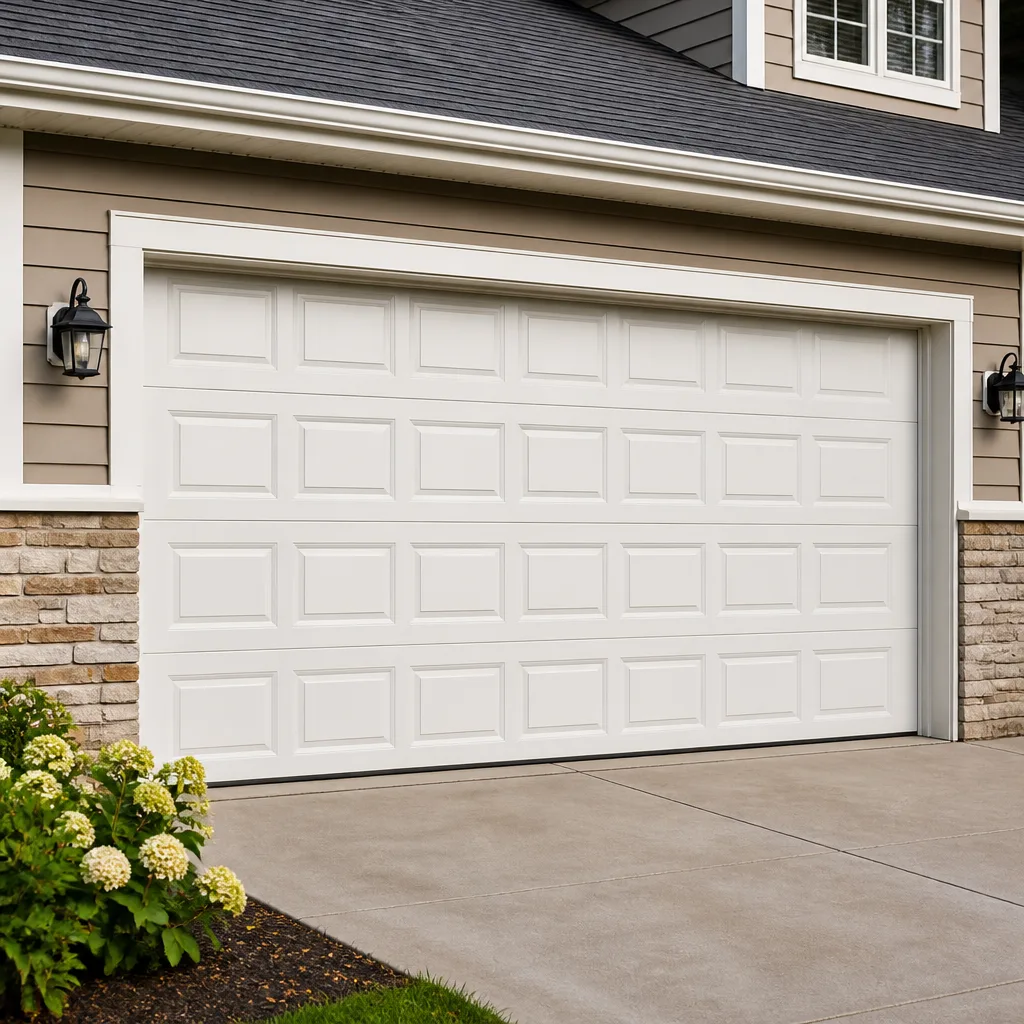
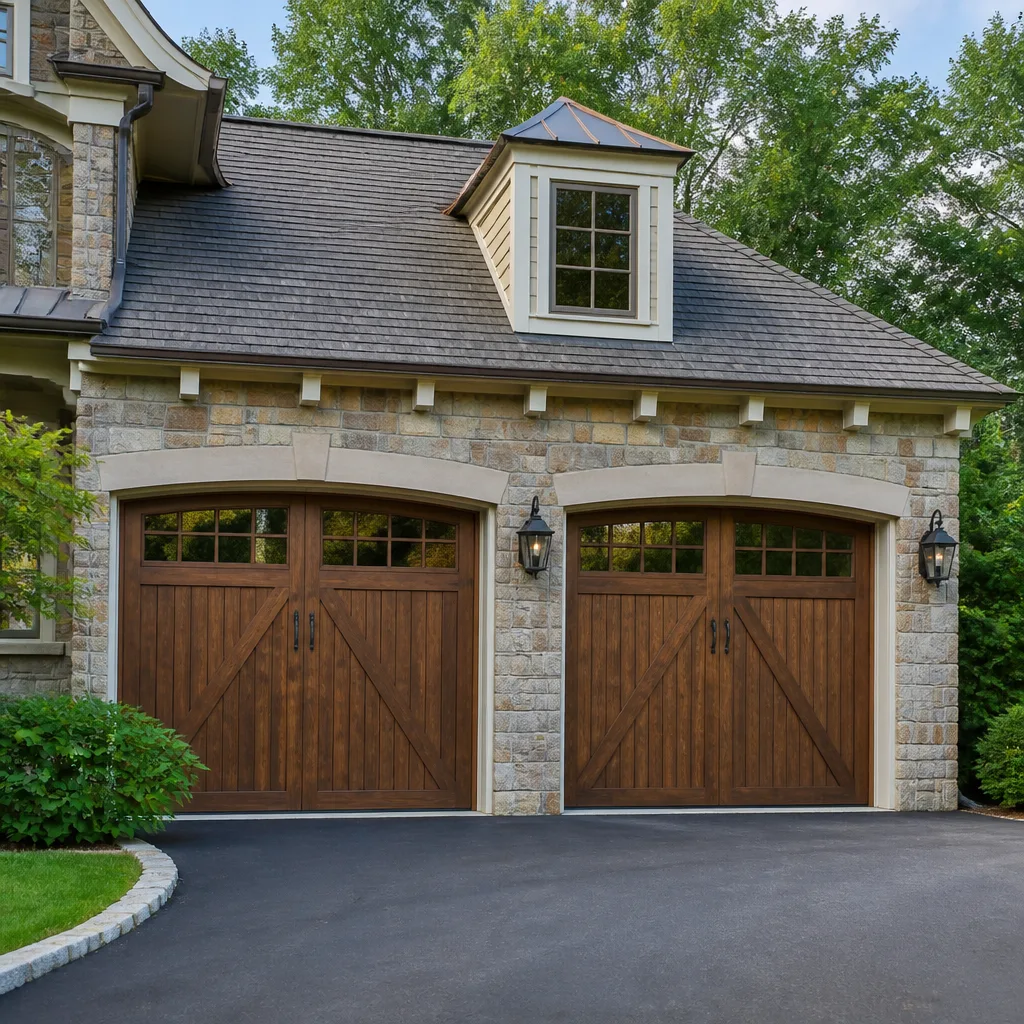
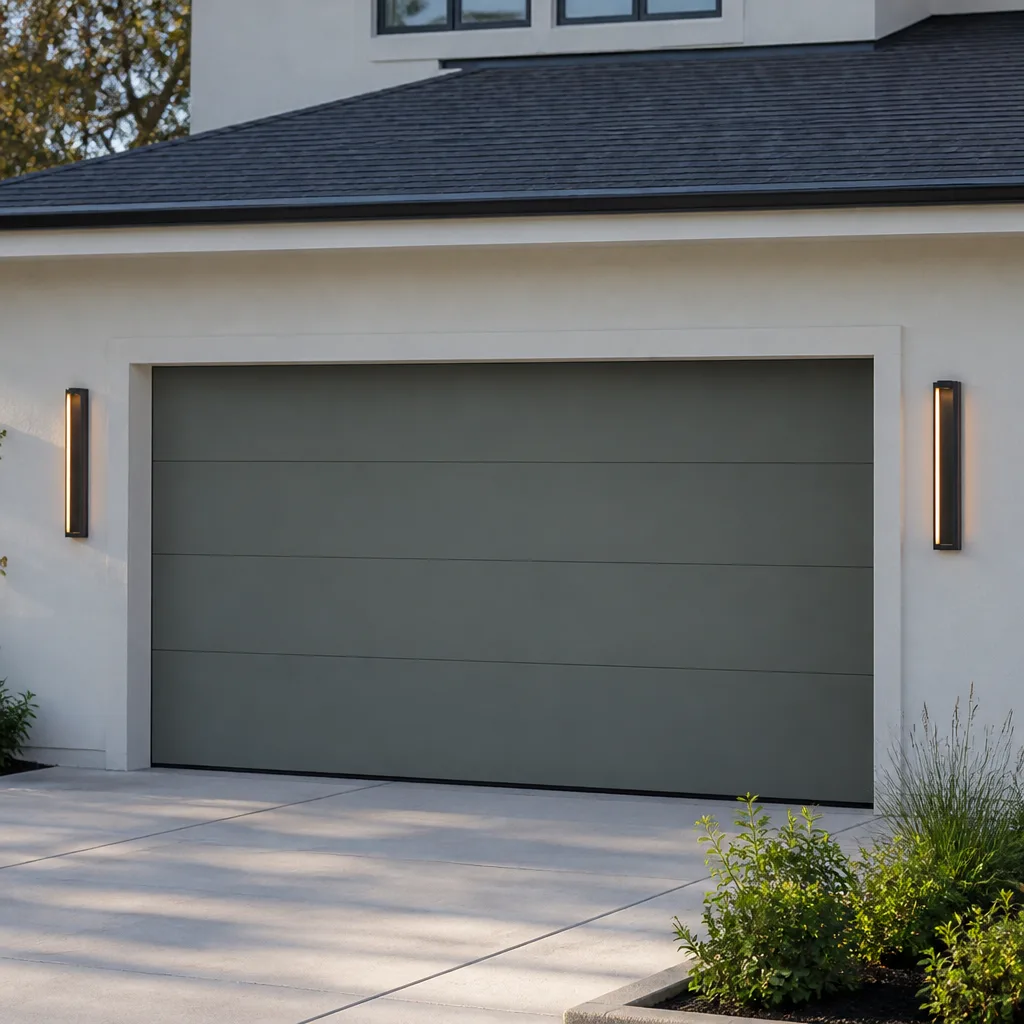
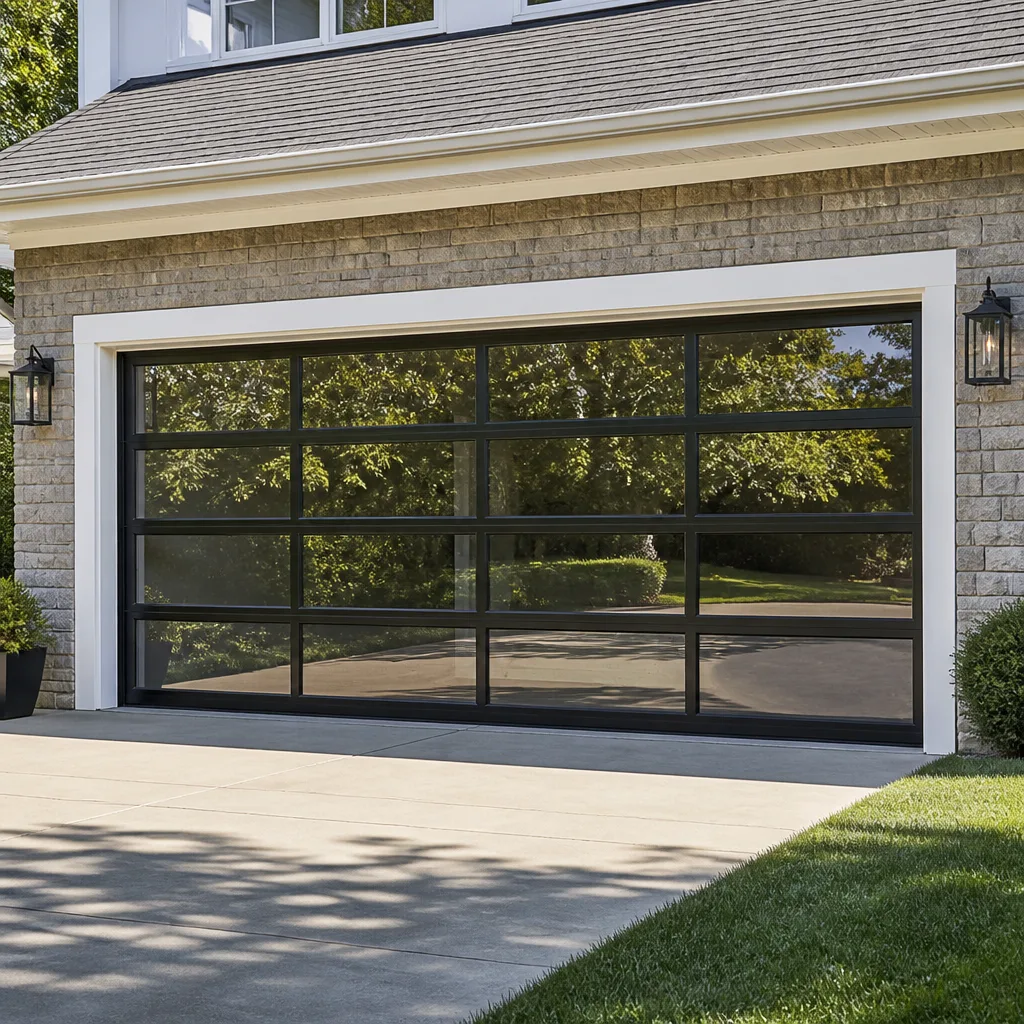
 Before
 After
After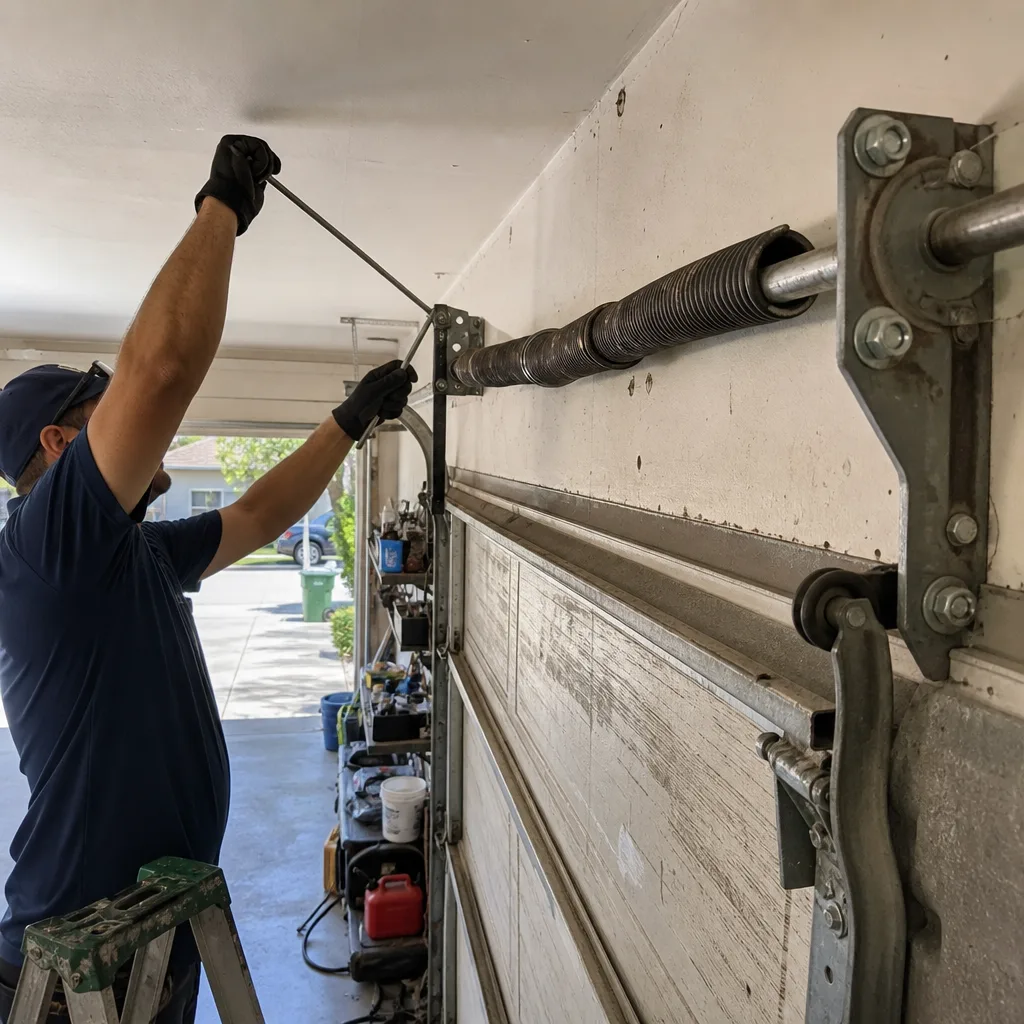 Before
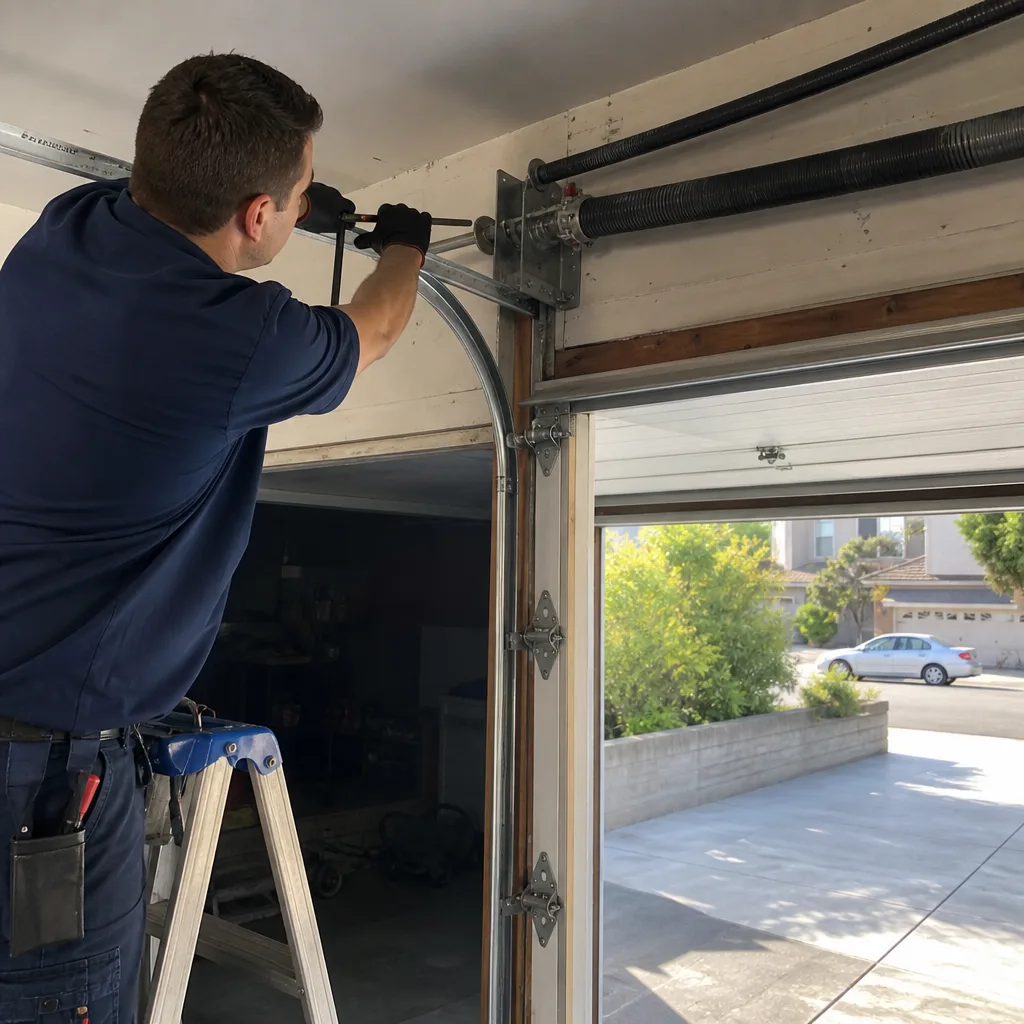 After
After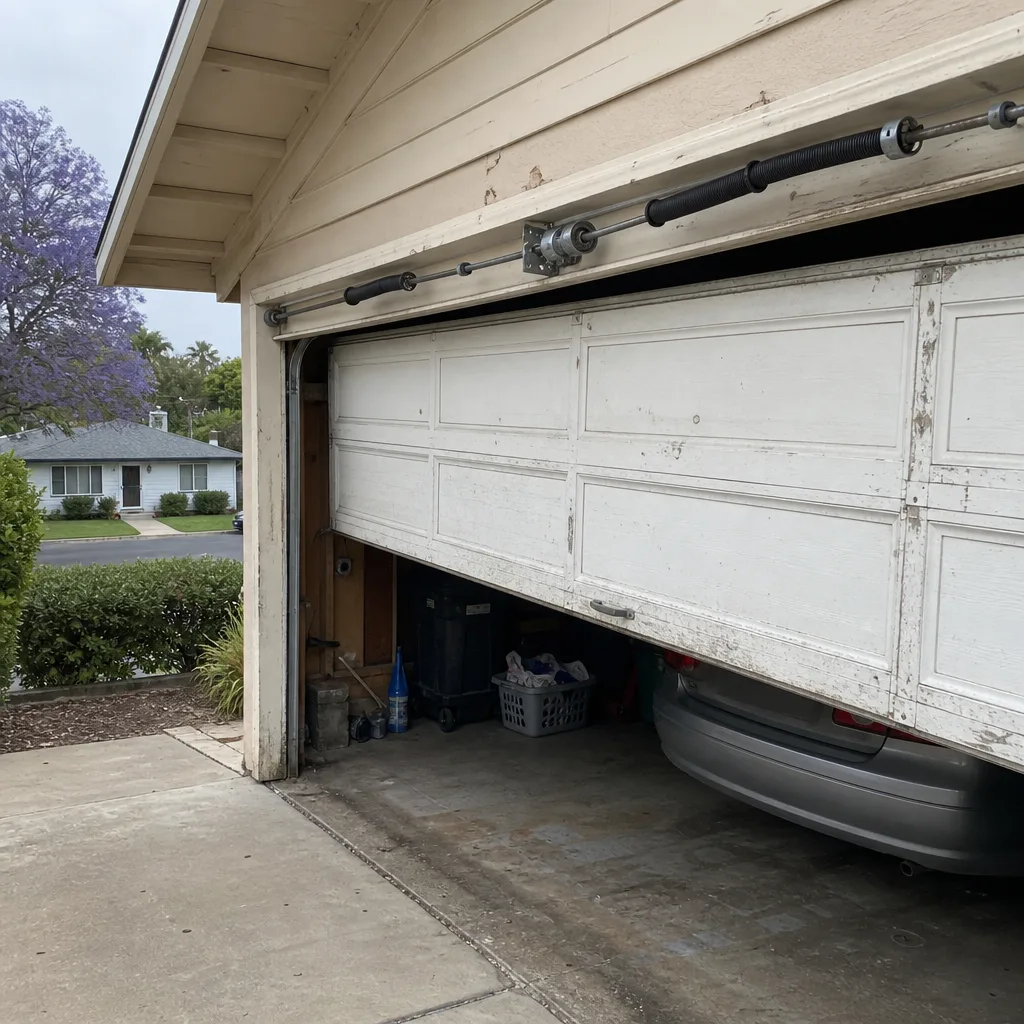 Before
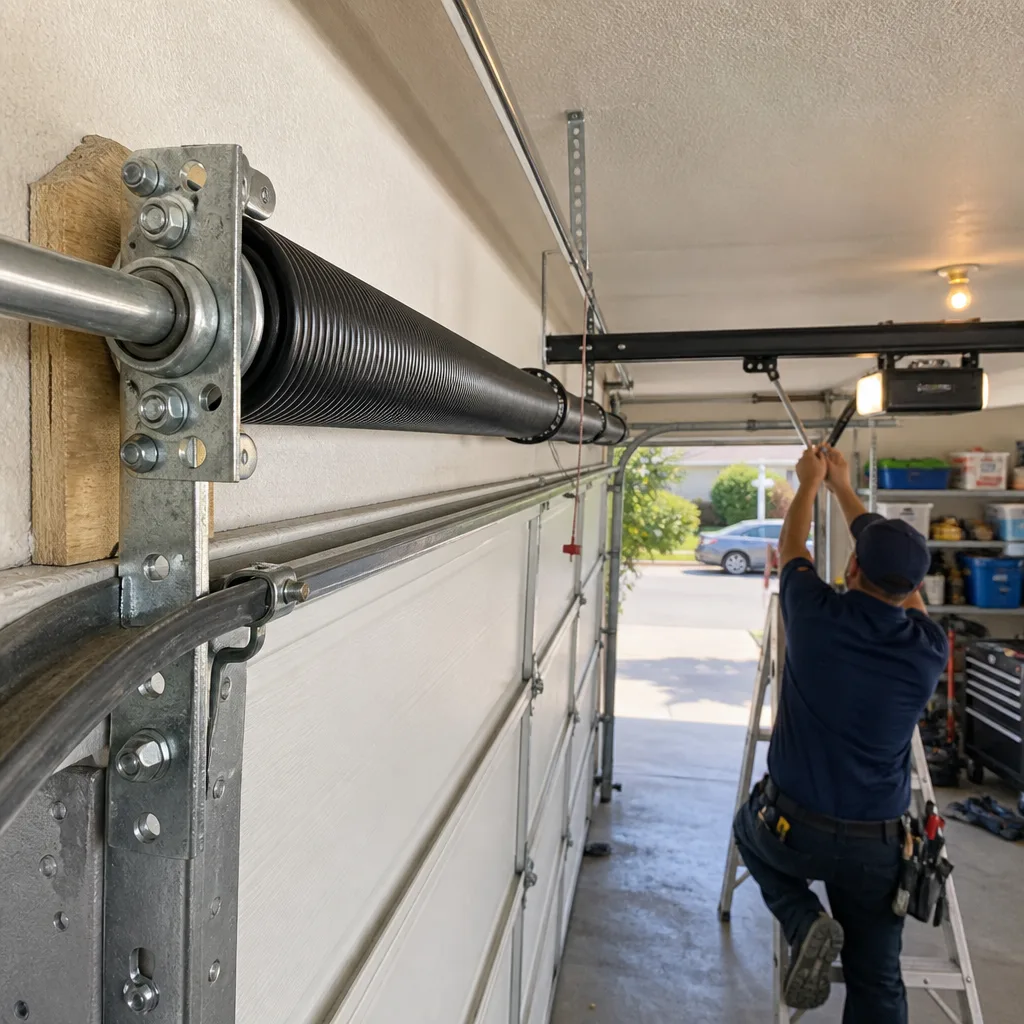 After
AfterThe Complete Guide to Garage Door in La Mesa
Here’s a number that matters more than any horsepower rating or R-value on a spec sheet: the average La Mesa home was built between 1955 and 1980, which means your garage door header was likely framed for a lightweight, single-skin door in an era before insulated steel panels existed. That single framing detail changes what you can safely install, how long your springs will last, and whether your HOA will even approve the replacement. This guide-and our more guides & resources-walk you through every decision a La Mesa homeowner actually faces, from marine-layer rust to Mt. Helix slope-driven spring wear, so you walk into any estimate knowing exactly what your house needs. We’ve been fixing and installing doors in La Mesa since 2004, and we’d rather you know this before anyone sells you anything.
Quick Answer
Garage door decisions in La Mesa hinge on three things most generic guides ignore: your home’s original header height (often 7 feet in pre-1980 tract homes), your exact microclimate (coastal humidity near the 8, dry heat up the hill), and your HOA’s architectural review rules if you live in a covenant-controlled subdivision. A properly sized, HOA-approved, corrosion-resistant door with correctly matched springs will typically last 15 to 25 years here, while the wrong combination can fail in five. Start with a professional measurement of your opening and a check of your CCRs before you spend a dollar on panels.
Table of Contents
- How La Mesa’s Climate Decides What Your Door Should Be Made Of
- HOA Approval in La Mesa: The Paperwork Step Most Homeowners Skip
- Header Height and Framing Limits in 1960s-1980s La Mesa Tract Homes
- Spring System Sizing: Flat Streets vs. Mt. Helix Slopes
- Converted Garages and the Inspection Trigger Nobody Warns You About
- What Garage Door Work Actually Costs in La Mesa in 2026
- Common Mistakes to Avoid
- When to Call a Professional
- Frequently Asked Questions
- The Bottom Line
How La Mesa’s Climate Decides What Your Door Should Be Made Of
La Mesa sits in a strange sweet spot, climate-wise. We’re close enough to the coast that June gloom rolls in most mornings, but far enough inland that August afternoons climb into the high 80s and low 90s. That combination, wet mornings followed by dry heat, is harder on a garage door than either condition alone. Here’s what we’ve seen after two decades of pulling old doors off La Mesa homes:
Steel doors hold up well in La Mesa, but the edge seams and bottom corners are where trouble starts. Morning condensation from the marine layer settles into the bottom seal channel, and if the factory paint was ever scratched during installation, rust begins within two years. On the west-facing slopes of La Mesa, closer to the 8 and the coastal influence, we regularly replace steel doors that have rusted from the bottom up while the upper panels still look new. The fix is simple: a galvanized steel core with a vinyl backer and a quality bottom seal. We install Raynor and Clopay steel lines for exactly this reason in La Mesa, and we tell every homeowner the same thing: the door needs to breathe at the bottom, not trap moisture.
Wood doors are the reverse problem. A solid redwood or cedar carriage door looks right on a 1950s La Mesa ranch, but the east-facing exposures up toward Fletcher Parkway take direct afternoon sun. That heat pulls moisture out of the wood unevenly, and within three summers you’ll see panel cupping and crack lines forming along the stiles. Wood doors need annual sealing in La Mesa, no exceptions. If you’re not willing to reseal every year, a wood-composite door, which looks nearly identical, will outlast real wood by a decade in this climate.
Composite and fiberglass doors are the quiet winners for La Mesa. They shrug off the humidity, they don’t warp in the heat, and they take paint well if your HOA has a specific color palette. The trade-off is weight: composites run heavier than steel, which means your spring sizing matters even more. We’ll get to that in the spring section below.
One La Mesa-specific note: homes within a few blocks of the canyons, particularly around the edges of La Mesa where the terrain drops toward the MV and the eastern edge of Grossmont, get heavier morning dew than the flat neighborhoods near the civic center. That dew sits on whatever it touches. If your door faces a canyon side, treat bottom-seal replacement as an every-three-year maintenance item, not an every-decade one.
HOA Approval in La Mesa: The Paperwork Step Most Homeowners Skip
La Mesa has dozens of covenant-controlled subdivisions, and more than a few of them were written in the 1960s with architectural guidelines that haven’t been updated since Nixon was in office. If you live in any of the planned developments, north of the 8, in the Lake Murray corridor, or in the newer tracts above Grossmont Center, there’s a board meeting somewhere with the power to reject your new garage door. We’ve watched it happen.
Here’s the reality check. Most La Mesa HOAs don’t care about your door’s R-value, your opener’s horsepower, or whether the springs are torsion or extension. They care about three things: color, material, and visual continuity with the street. Some CC&Rs specify exact paint colors. Others say “a color harmonious with the existing homes on the block,” which is vague enough to be a trap if your neighbor wants to make a point.
The process that works in La Mesa looks like this:
- Pull your CCRs first. If you don’t have a copy, your HOA management company is legally required to provide one. Read the architectural section. Some La Mesa HOAs have a specific “garage door” subsection; some bury it under “exterior modifications.”
- Get the architectural review form. Most La Mesa HOAs require a written application with a color sample attached. A paint chip from the Home Depot in Grossmont works, but verify the exact brand and code; boards have rejected doors because “taupe” on the form wasn’t “taupe” in the review packet.
- Submit before you order. This is the step people skip. A custom-ordered door with a 6-week lead time is not returnable, and if the board rejects the color, you’re either repainting a brand-new door or arguing with the manufacturer. In La Mesa, we won’t have you order panels until the HOA approval letter is in your hand.
- Ask about placement rules. Some La Mesa HOAs in the hillside districts regulate track placement, especially on homes where the garage is street-visible. A side-mount opener may be required if the board doesn’t allow an overhead motor to visible from the street.
For a full walkthrough of the replacement process, our garage door installation guide for La Mesa covers the ordering and permitting sequence in detail. And if you’re unsure whether your street falls under a covenant, check your property deed; it will state whether covenants apply. Two minutes of reading now saves a world of headache later.
Header Height and Framing Limits in 1960s-1980s La Mesa Tract Homes
This is the section where La Mesa homes diverge most sharply from the national guides. The average American garage door opening today is 16 feet wide by 7 feet tall. But the tract homes that went up in La Mesa between the late 1950s and the early 1980s were built to different drawings entirely. Many of them framed their garage headers for a 7-foot door when the average car was a 1964 Falcon, and they used a 2×8 or even a 2×6 header where today’s code would call for an engineered beam. That header is now sixty years old, and it’s the single most important factor in what you can install.
Here’s the problem. Modern insulated steel doors weigh significantly more than the single-skin wood or Masonite doors those homes originally had. A 16×7 insulated steel door with a polyurethane core weighs 180 to 220 pounds depending on the panel thickness. That weight hangs from the header every opening and closing, plus the torsion spring torque pulls against the header constantly, even when the door is closed. An undersized header that managed fine for forty years with a light door can sag, crack, or pull loose when you bolt a heavier modern door to it.
We see this most often in the neighborhoods off Fletcher Parkway, the tract sections around Maryland Avenue, and the older pockets east of the 125. In those homes, the header check is the first thing we do before quoting a door. If the header is undersized for the new door weight, the fix is a steel stiffener plate or a new engineered header, which adds a few hundred dollars to the job but keeps the opening square for the life of the house.
Another La Mesa framing quirk: many 1960s homes were built with a 7-foot-high opening but enough ceiling clearance to reframe for an 8-foot door, if you’re willing to strip the front wall above the header and redo the exterior finish. On paper it’s a bigger job. In practice, if you ever want to park a lifted truck or a full-size van inside, the extra 12 inches is the difference between a garage you use and a garage you curse. Most La Mesa homes can do the conversion; the question is whether your budget and your HOA are aligned.
Spring System Sizing: Flat Streets vs. Mt. Helix Slopes
A garage door is 200 pounds riding on two springs. Respect it. When we size springs for a La Mesa home, the first two questions are the panel weight and the cycle rating. The third question, and this is the one no generic guide asks, is where on the hill do you live?
Garage doors are balanced for operation on a flat approach. The spring is wound to offset the door’s weight so it lifts with about 10 to 15 pounds of effort. But if your driveway slopes down toward the garage, which is common in the Mt. Helix area, La Mesa’s northern hillsides, and the streets that climb up from the civic center toward Grossmont, the door spends part of every open cycle fighting gravity differently. On a steep driveway, the door’s bottom panels drag more heavily against the tracks as the angle changes, and the springs absorb that extra stress. We see torsion springs in hillside La Mesa homes losing 20 to 30 percent of their rated cycle life compared to the same spring installed on a flat street near the 70.
What that means for you is simple: if you live uphill, order springs one cycle rating higher than the door technically requires. A standard 10,000-cycle spring becomes a 15,000-cycle spring. The added cost is small, usually $30 to $50 per spring, and it buys years of additional life. If you live in the flatland sections, particularly the neighborhoods south of the 8 between the freeway and the civic center, standard cycle ratings are fine; the door operates on level ground, and the springs last as rated.
One more La Mesa spring note. The marine layer we mentioned earlier, it corrodes springs too. Uncoated springs rust quickly here, and rust creates stress concentrations that shorten spring life. Oil-tempered springs last longer than standard springs in coastal-adjacent climates like La Mesa. Whenever we replace springs in this zip code, they’re oil-tempered, period. It costs a few dollars more and it’s the single best value upgrade you can make on a torsion system.
Converted Garages and the Inspection Trigger Nobody Warns You About
La Mesa has a lot of converted garages. A lot. Walk any street in the older neighborhoods and you’ll see a garage that became a bedroom, a den, a rental unit, or a wood shop sometime in the 1970s or 1980s. And here’s the thing most homeowners discover too late: if you’re replacing a garage door on a home where the garage was converted, you may be opening a permit can of worms that has nothing to do with your door. See Garage Door Permits, Codes & Inspections in CA: What You Need to Know for the full picture.
The trigger is this: in the City of La Mesa, when a garage door is removed or replaced on a converted garage, the city can flag the property for verification that the conversion was properly permitted. If the conversion happened decades ago under a previous owner with no permits on file, which is common, your door replacement can trigger a review of the entire conversion. We’ve seen homeowners order a new door and end up dealing with zoning questions about a den that was built in 1978.
That’s not a reason to avoid replacing the door. In fact, a failing door on a converted garage is a security issue for the entire house, since the old garage opening is often the weakest exterior wall. But it is a reason to check your permits before the first panel comes down. La Mesa’s building department can pull the permit history for your address in a few minutes, and it’s worth knowing what’s on file before your project starts. If the conversion was unpermitted, there are paths to fix it; the city has an amnesty process for long-standing improvements in many cases.
What Garage Door Work Actually Costs in La Mesa in 2026
We quote every job upfront and we hold that number at the door. No exceptions. That’s been our policy in La Mesa since 2004, and it means the prices below reflect what homeowners actually pay, not a teaser rate that mysteriously changes once the truck arrives. Here’s the current range for La Mesa:
- Spring replacement (pair of torsion springs, oil-tempered): $280 to $440 installed, depending on door weight and cycle rating. Hillside homes on the higher end.
- Cable replacement (pair, including safety cables): $180 to $260 installed.
- Roller replacement (full set, nylon bearing rollers): $120 to $180 installed.
- Opener replacement (belt-drive, with new safety sensors): $450 to $750 installed, depending on model and ceiling configuration.
- Full new door (16×7 insulated steel, standard panel): $1,800 to $3,600 installed, depending on panel thickness, brand, and window options.
- Full new door (16×7 composite or wood-look): $2,800 to $5,500 installed, depending on style and finish.
- Header reinforcement (steel stiffener plate): $300 to $600 added to door installation, depending on the existing framing.
Every one of those numbers is agreed before work begins. You’ll sign the quote, and that’s the price. If we discover something mid-job that changes the scope, we stop and talk to you before doing anything. The price never changes without your signature. That’s the way it works with a local shop, and we’ve held that line for two decades in La Mesa.
Want a breakdown of repair-specific pricing? Our garage door repair guide for La Mesa has line-item ranges for every common service.
Common Mistakes to Avoid
- Ordering a door before checking the header. In La Mesa’s 1960s and 1970s tract homes, this is the most expensive mistake we see. An undersized header can’t safely carry a modern insulated door, and you’ll pay for the discovery after the old door is already in the dumpster. Measure and inspect first.
- Ignoring your CCRs until the door is installed. A rejected HOA application after installation means repainting, reframing, or removing an expensive door you can’t return. Pull the paperwork before you order anything.
- Choosing springs by price, not by cycle rating. A budget spring on a Mt. Helix hillside home will fail in three to five years, and you’ll pay for replacement again. The oil-tempered upgrade is the best money you’ll spend on a La Mesa spring system.
- Reusing an old opener with a new, heavier door. Modern insulated doors weigh more than the 1960s panels they replace, and an opener sized for the old door will strain, overheat, and die early. If you’re replacing the door, plan for a matched opener.
- Forgetting the bottom seal on canyon-facing homes. La Mesa properties near canyon edges get heavy morning dew, and a worn bottom seal lets moisture into the panels and the garage floor. Replace it every three years on those homes.
- Assuming a converted garage door replacement is a simple swap. The permit history of your conversion matters more than the door itself in once-converted La Mesa homes. Check with the city before the project starts.
- Hiring a door crew that doesn’t know La Mesa framing. A national company that works from a generic playbook won’t know that 1965 La Mesa headers run smaller than modern code assumes. Local knowledge isn’t a luxury here; it’s the difference between a door that stays square and one that sags in five years.
When to Call a Professional
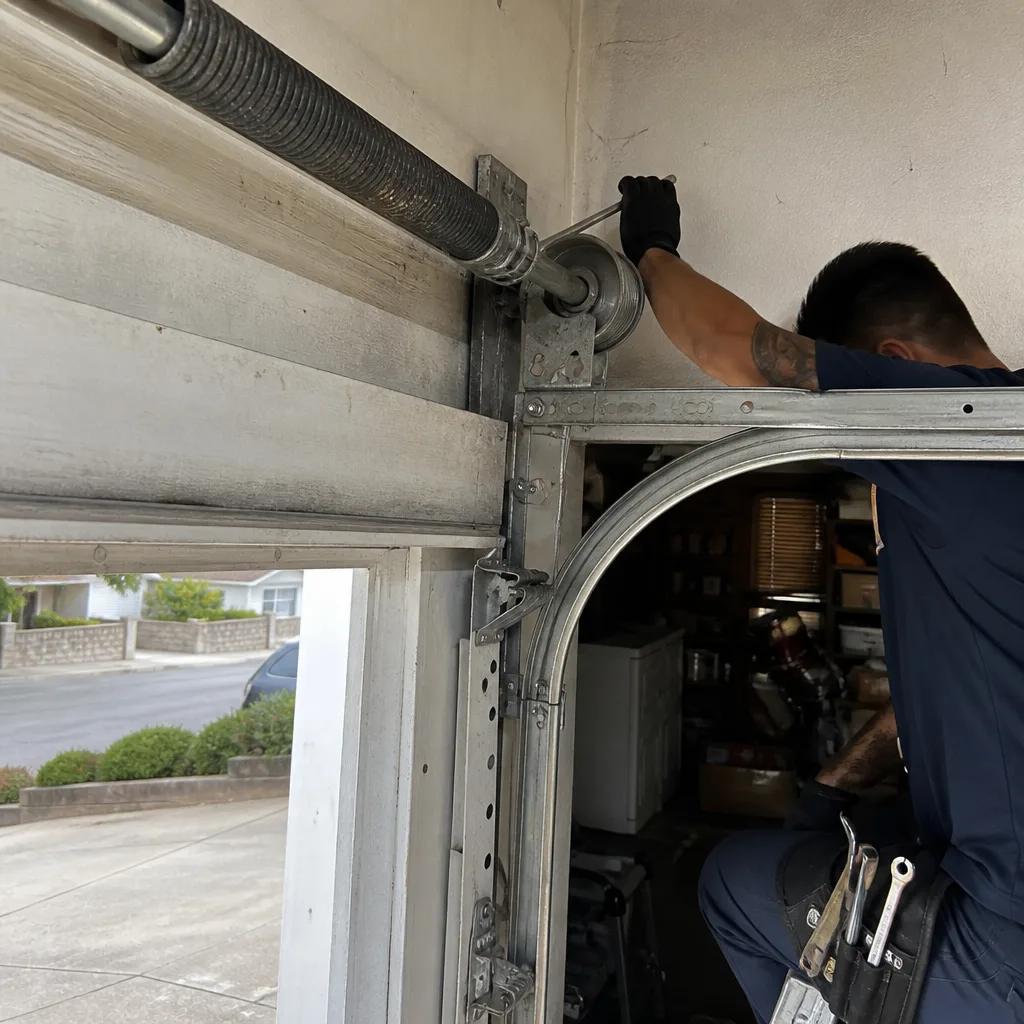
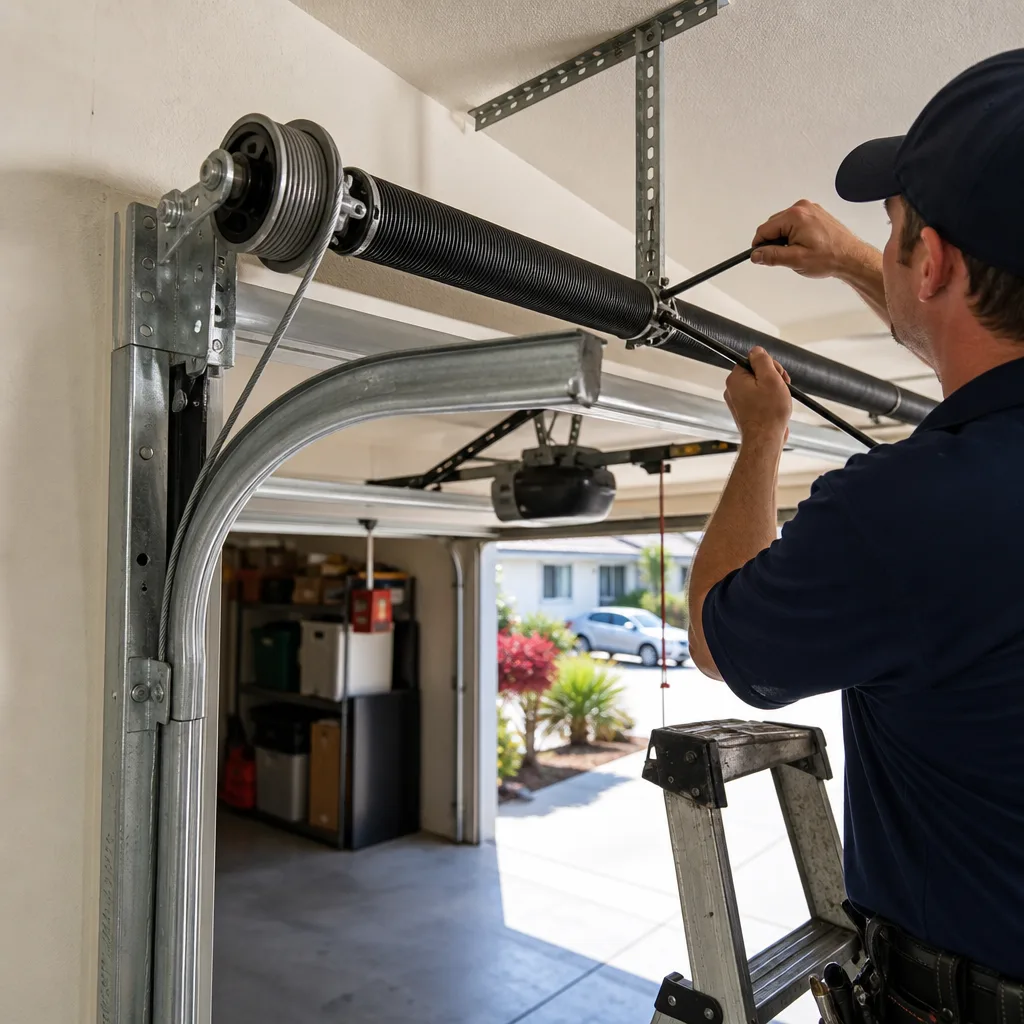
A torsion spring under tension carries enough stored energy to seriously injure or kill. Never attempt to remove, adjust, or replace one yourself. The same goes for cables: when a cable snaps, the door can drop instantly, and a 200-pound door falling on a person is a life-threatening injury. If your door is binding, if the spring is visibly broken, if the cables are frayed, or if the door opens unevenly, leave it closed if possible and call someone who does this work for a living. Otto’s Garage Door offers free estimates in La Mesa, call (619) 903-6668, and a real person answers. We carry springs and cables on the truck, and we quote the price before we touch anything.
Frequently Asked Questions
A properly installed, weather-appropriate garage door in La Mesa typically lasts 15 to 25 years. Steel doors near canyon edges or west-facing coastal-influenced slopes run toward the lower end due to marine-layer rust, while composite and fiberglass doors run toward the higher end. Spring systems are separate: most torsion springs last 8 to 12 years regardless of the door itself.
If your La Mesa home is in a covenant-controlled subdivision, yes, in most cases you need architectural review approval before replacing the door. Pull your CCRs and the HOA’s review form, submit a color sample and material description, and wait for the approval letter before ordering. Some HOAs also regulate track placement, so ask about that in the same application.
In many cases, yes. Most 1955 to 1980 La Mesa tract homes were framed with 7-foot openings, but many have enough ceiling clearance to reframe for an 8-foot door. The job involves rebuilding the header and the wall section above the opening. A professional measurement will tell you whether your specific framing allows it, and the added cost runs higher than a same-size replacement.
A new insulated steel door in La Mesa typically runs $1,800 to $3,600 installed, depending on panel thickness, brand, and options. Composite and wood-look doors run $2,800 to $5,500. Header reinforcement, if needed for older tract homes, adds $300 to $600. For a deeper breakdown, see our Garage Door Cost Breakdown: The La Mesa Homeowner’s Reference for 2026. Every quote is fixed before work starts. Call (619) 903-6668 for an exact number for your home.
Hillside homes around Mt. Helix and La Mesa’s northern slope neighborhoods put extra stress on torsion springs because the door operates on an angled approach, which changes how the door weight loads the spring system over every cycle. The marine-layer humidity also accelerates spring corrosion. The fix is to size springs one cycle-rating higher and use oil-tempered springs, which cost a little more but last years longer on those hillsides.
We carry springs, cables, and common parts on the truck, and we answer the phone 24/7. If it’s a broken spring or a snapped cable, we can usually get you back in operation the same day we hear from you, depending on how the schedule lines up. Call (619) 903-6668 and we’ll quote the job on the phone and hold that number when we arrive.
The Bottom Line
La Mesa’s garage doors fail in predictable ways: rust at the bottom edges from the marine layer, springs that burn out early on hillside homes, headers that were undersized in 1965 and haven’t gotten stronger since, and HOA rules that matter more than the door itself. The homeowners who get this right follow a simple sequence: check the CCRs, check the header, check the permits if the garage was ever converted, then choose a door and spring system sized for your exact street, not a national average. Get that order right and the door will outlast the next two openers. Get it wrong and you’ll be back at the hardware store in five years wondering what happened.
If you’re in La Mesa and ready to start, we’ll measure the opening, tell you what your house will actually support, and quote a price that doesn’t change between the phone and the driveway. Visit our home page to learn more about us, check out our garage door opener services in La Mesa, or call (619) 903-6668 for a free estimate. A live person answers, and often that person is me.
Written by Otto Reinhardt, Owner at Otto’s Garage Door, serving La Mesa since 2004.